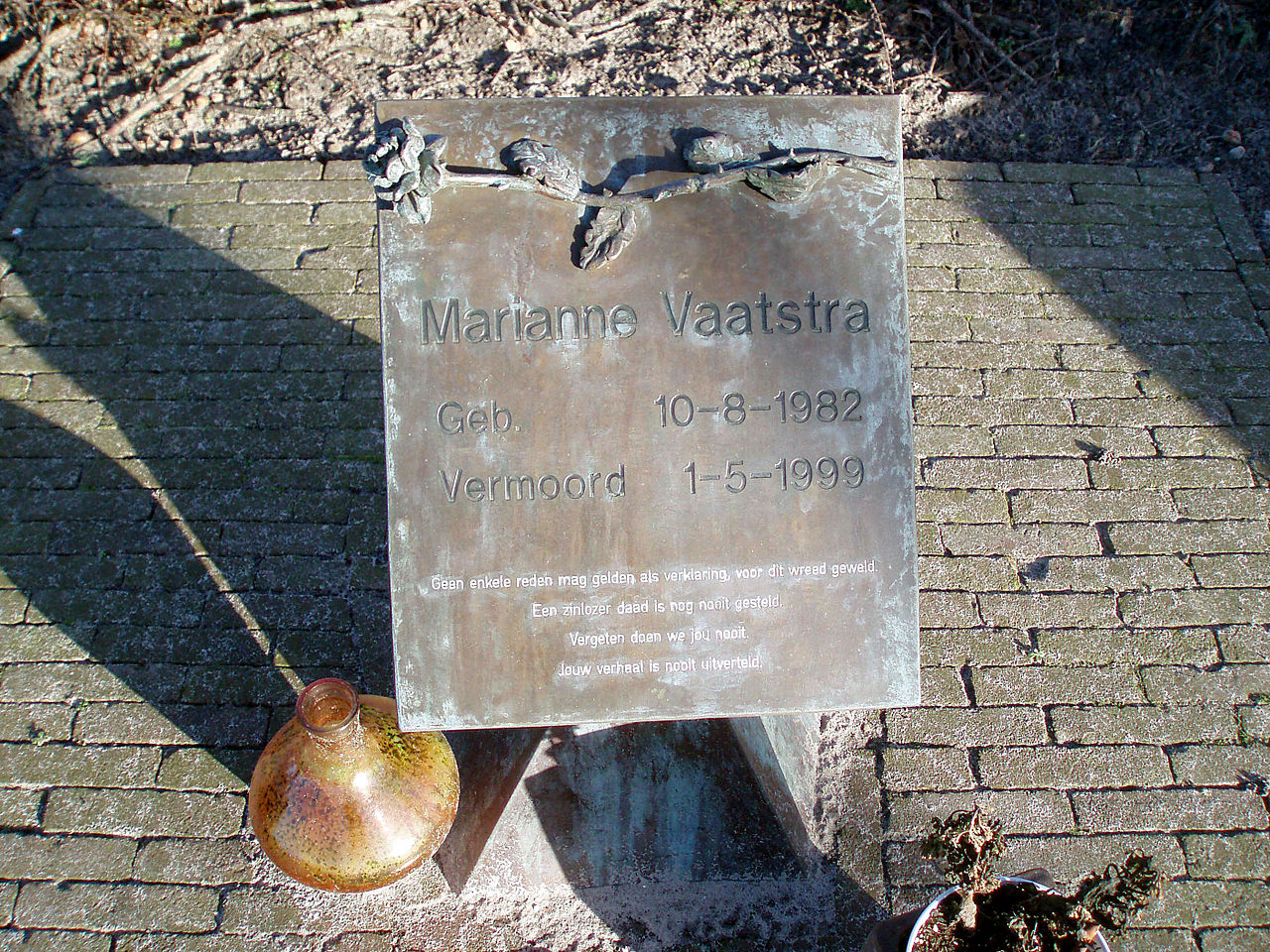
The Vaatstra Murder: A Stark Lesson in Public Bias, Immigration, and Forensic Evolution
The brutal murder of 16-year-old Marianne Vaatstra in the spring of 1999 sent shockwaves through the quiet, rural community of Friesland, Netherlands. What began as a tragic individual crime soon spiralled into a complex saga that exposed deep-seated societal prejudices, ignited heated debates surrounding immigration, and ultimately became a pivotal case in the advancement of forensic science and judicial reform in the country. The Vaatstra case is not merely a chronicle of a cold case solved; it's a profound narrative illustrating the dangers of public bias and the painstaking, yet ultimately triumphant, march of modern investigative techniques.
A Life Cut Short: The Tragic Night in Friesland
Marianne Vaatstra, born August 10, 1982, was the youngest of six children in a close-knit Frisian family. Growing up in the tranquil village of Zwaagwesteinde (now De Westereen), her life was typical for a teenager in rural Friesland – attending local school, working part-time at a grocery store, and enjoying time with friends. On the night of April 30-May 1, 1999, Marianne was cycling home alone from a party in Kollum, a routine journey she had undertaken many times before. This particular night, however, her path was tragically intercepted. Her body was discovered the following morning in a remote field near Oudwoude, bearing horrific signs of rape, strangulation, and throat slashing. The idyllic peace of the region was shattered, replaced by an urgent, desperate search for answers.
The initial hours and days of the investigation were fraught with emotion. As details emerged, a cloud of suspicion quickly descended, not on a local resident, but on the inhabitants of an adjacent asylum seekers' center. This swift attribution of blame, fueled by nascent anti-immigrant sentiment and sensational media coverage, led to public protests, false accusations, and intense scrutiny of non-local individuals. It was a stark example of how societal anxieties and predispositions can severely distort the investigative process, creating tunnel vision and diverting precious resources away from genuine leads. Despite the intense focus, and the significant social unrest it caused, no DNA match was found among the scrutinized asylum seekers, and the case of Marianne Vaatstra slipped into the agonizing silence of a cold case.
A Decade of False Starts and Lingering Shadows
For over a decade, the murder of Marianne Vaatstra remained unsolved, a dark stain on the conscience of the Netherlands. The initial investigative fixation on the asylum seekers' center, driven by public outcry and media sensationalism, proved to be a costly misdirection. This period highlighted several critical flaws:
- The Perils of Confirmation Bias: The overwhelming public and media pressure to link the crime to "outsiders" created a potent confirmation bias, where evidence that didn't fit this narrative was potentially downplayed or overlooked. Investigators, despite their best intentions, can be influenced by prevailing public opinion.
- Limited Forensic Capabilities: While DNA evidence was present at the crime scene, early DNA database restrictions and the less advanced nature of profiling techniques at the time meant that a breakthrough was elusive. The technology simply wasn't ready to cast a wider net or identify a perpetrator from minimal samples.
- Erosion of Public Trust: The misdirection and the prolonged lack of resolution fostered distrust within the community, particularly among immigrant populations who had been unfairly targeted.
This long period of stagnation underscored the profound impact of unchecked public bias. It demonstrated how easy it is for a community to scapegoat a vulnerable group, diverting attention from the real perpetrator and allowing them to remain hidden in plain sight. For the Vaatstra family, it meant enduring over thirteen years without justice, under the shadow of a crime whose perpetrator seemed to have vanished.
The DNA Breakthrough: Unmasking the Truth and Forging Reform
The turning point for the Marianne Vaatstra case arrived in 2012, fueled by significant advancements in forensic science. The key was the application of advanced Y-chromosome DNA profiling to the crime scene evidence. Unlike autosomal DNA, which is inherited from both parents, Y-chromosome DNA is passed down exclusively from father to son, making it incredibly useful for tracing male lineage and narrowing down large pools of potential suspects. This innovation paved the way for an unprecedented investigative step in the Netherlands: a voluntary mass DNA screening.
Approximately 7,000 men from the region surrounding the crime scene were asked to provide DNA samples. This monumental undertaking showcased an extraordinary level of community cooperation, driven by a collective desire for justice. The screening ultimately led to a match: Jasper S., a local dairy farmer born in 1967. Confronted with the irrefutable evidence, Jasper S. confessed. He admitted to luring Marianne off her path, raping her, and then murdering her to silence her, ensuring her inability to identify him.
In April 2013, the Leeuwarden District Court convicted Jasper S. of rape and murder, sentencing him to 18 years' imprisonment. The verdict, while bringing a measure of closure to the Vaatstra family, also served as a critical retrospective on the investigative delays and, importantly, formally exonerated the innocent immigrant suspects who had endured years of public suspicion and scrutiny.
The resolution of the Vaatstra case was a watershed moment for Dutch law enforcement and forensics. It directly propelled legislative reforms aimed at expanding the retention and usage of forensic DNA for cold cases, enabling investigators to revisit old crimes with new scientific capabilities. The case became a powerful testament to the unwavering potential of DNA evidence, even years after a crime has occurred, to pierce through layers of speculation and bias to reveal the truth.
Lessons Learned: Confronting Bias and Advancing Justice
The tragic story of Marianne Vaatstra offers invaluable lessons for society, law enforcement, and media alike:
- The Destructive Power of Bias: The immediate, unfounded accusation against asylum seekers demonstrates how easily societal prejudices can hijack an investigation and inflict harm on innocent individuals. It highlights the critical need for investigators to remain impartial, focusing solely on evidence rather than succumbing to public or political pressure. Media outlets, too, bear a significant responsibility to report facts responsibly and avoid fueling xenophobia or sensationalism.
- The Evolution of Forensic Science: The case powerfully illustrates how technological advancements, particularly in DNA profiling, can revolutionize cold case investigations. The ability to extract and match Y-chromosome DNA, and the political will to conduct mass screenings, are now vital tools in the pursuit of justice.
- The Importance of Legislative Reform: The Vaatstra case directly spurred changes in Dutch law regarding DNA retention and usage. This shows how individual tragedies, while devastating, can sometimes act as catalysts for crucial legislative and procedural improvements that benefit future investigations.
- Community Trust in Justice: The successful voluntary mass DNA screening was only possible due to a high level of trust and cooperation between the police and the community. Maintaining this trust by conducting fair, unbiased investigations and transparent communication is paramount.
Practical Tip for Modern Investigations: Modern law enforcement agencies must continuously invest in advanced forensic training and technologies. Furthermore, they should implement robust protocols to identify and mitigate cognitive biases (like confirmation bias or availability heuristic) that can impair judgment during an investigation. Encouraging diverse investigative teams can also help challenge assumptions.
Conclusion
The murder of Marianne Vaatstra remains a poignant reminder of a young life tragically lost, but also stands as a beacon for how justice can eventually prevail against daunting odds. It taught the Netherlands, and indeed the world, profound lessons about the insidious nature of public bias, the ethical complexities of immigration narratives, and the awe-inspiring, ever-evolving power of forensic science. From the initial misguided focus to the eventual triumph of DNA, the Vaatstra case underscored that while justice may be delayed, with perseverance, advanced technology, and a commitment to truth, it can ultimately be served, offering a measure of peace and catalyzing significant, positive reforms.