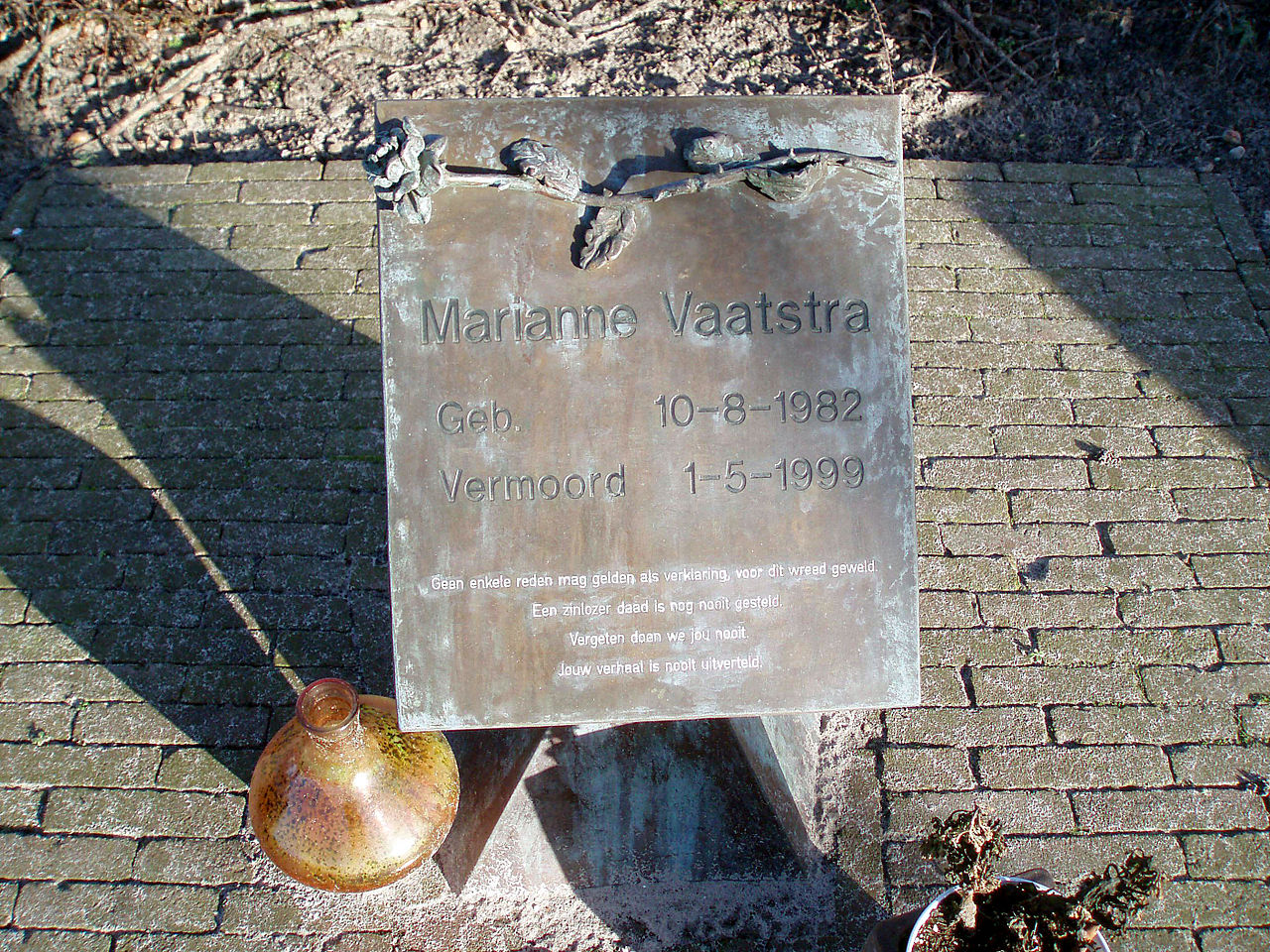
From Zwaagwesteinde to Justice: The Marianne Vaatstra Story
The name Marianne Vaatstra resonates deeply within Dutch society, not just as the victim of a brutal crime, but as a symbol of a prolonged quest for justice, fraught with societal prejudice and ultimately resolved by the relentless march of forensic science. Her tragic story, spanning 13 years of uncertainty, highlights the devastating impact of crime on a family and community, exposes inherent biases, and stands as a pivotal moment in the evolution of criminal investigation in the Netherlands.
On a fateful spring night in 1999, the seemingly idyllic rural life of Friesland was shattered, irrevocably altering the course of justice and forensic practices for years to come. The journey from Zwaagwesteinde, Marianne's quiet hometown, to the eventual conviction of her killer, is a compelling narrative of perseverance, scientific innovation, and the enduring hope for truth.
The Innocence Lost: Marianne Vaatstra's Early Life
Marianne Vaatstra, born on August 10, 1982, was the youngest of six children in a close-knit Frisian family. Growing up in the tranquil village of Zwaagwesteinde (now known as De Westereen), Friesland, her life was typical of a teenager in a rural, agricultural community. Her parents, Bauke Vaatstra and Maaike Terpstra, provided a stable home, and Marianne enjoyed the normal routines of provincial life. She attended local schools, spent time with friends, and held a part-time job at a nearby grocery store on weekends, contributing to her family and enjoying the simple pleasures of adolescent freedom.
This ordinary existence was brutally interrupted on the night of April 30-May 1, 1999. Marianne, just 16 years old, was cycling home alone from a party in the nearby town of Kollum. It was a route she likely knew well, a familiar path under the Dutch night sky. However, she never made it home. The following morning, her body was discovered in a remote field near Oudwoude. The crime scene revealed a horrific assault: signs of strangulation, a slashed throat, and massive blood loss from rape. The discovery sent shockwaves through the quiet community, forever altering the landscape of their collective memory and initiating a nightmare for the Vaatstra family.
A Community in Turmoil: The Initial Investigation and Public Blame
In the immediate aftermath of the horrific discovery, the investigation into Marianne Vaatstra's murder commenced, but it was quickly derailed by a potent mix of public suspicion and media sensationalism. Focus rapidly shifted to the residents of an adjacent asylum seekers' center. Fuelled by xenophobia and a tragic predisposition to attribute rural crimes to 'outsiders,' public sentiment turned hostile. Protests erupted, and the media, rather than tempering the fervor, often amplified it, contributing to a climate of fear and prejudice.
This pervasive bias led to false accusations and prolonged, intrusive scrutiny of non-local suspects, particularly those from the asylum center. Despite intense questioning and the collection of DNA samples, no matches were found to the crucial evidence left at the crime scene. The innocent suffered immensely, facing public condemnation and unwarranted suspicion. The tragic reality was that this fixation on external culprits diverted critical resources and attention away from potential local leads, ultimately hindering the initial investigation and leaving the Vaatstra family in a prolonged state of agony. This period serves as a stark reminder of how public bias, immigration concerns, and media influence can tragically impede justice.
The Unyielding Quest for Truth: A Decade of Silence
As years turned into a decade, the murder of Marianne Vaatstra became a notorious cold case. The initial investigation's missteps, coupled with the limitations of forensic technology at the time, meant that while DNA evidence (blood and semen from the perpetrator) was recovered, it couldn't definitively identify the killer. Dutch law also had restrictions on the retention and widespread use of DNA in criminal databases, further complicating matters. The Vaatstra family, along with a dedicated core of investigators, refused to let Marianne's case be forgotten, clinging to the hope that new advancements might one day provide answers.
The turning point arrived in 2012. Significant advancements in forensic science, particularly in Y-chromosome DNA profiling, offered a new avenue for investigation. This technique, capable of identifying male lineage from even degraded samples, prompted an unprecedented and voluntary mass DNA screening. Approximately 7,000 men from the region surrounding the crime scene were asked to provide their DNA samples. It was a monumental undertaking, requiring immense public trust and cooperation, but it demonstrated the collective resolve to bring Marianne's killer to justice. This innovative approach, leveraging cutting-edge science and community participation, proved to be the key, marking a new era in cold case investigations and showing how DNA unlocked a 13-year cold case.
Justice Delivered: The Unmasking of Jasper S.
The mass DNA screening yielded its crucial breakthrough in November 2012. Among the thousands of samples, one provided a match: that of Jasper S. (born 1967), a local dairy farmer. The revelation sent shockwaves through the community once again – the perpetrator was not an 'outsider' but someone living and working among them, shattering the long-held, prejudiced assumptions. Faced with irrefutable DNA evidence, Jasper S. confessed to the crime. He admitted to luring Marianne Vaatstra off her path, raping her, and then murdering her to silence her, to prevent her from identifying him.
In April 2013, the Leeuwarden District Court convicted Jasper S. of the rape and murder of Marianne Vaatstra. He was sentenced to 18 years' imprisonment. The verdict not only brought a degree of closure to the Vaatstra family but also publicly exonerated the asylum seekers who had been wrongly accused and scrutinized for over a decade. The conviction, based on a combination of the compelling DNA evidence, Jasper S.'s confession, and meticulous forensic reconstruction, reaffirmed the power of modern investigative techniques and the importance of unwavering dedication to truth.
A Lasting Legacy: Forensic Reform and Societal Reflection
The Marianne Vaatstra case transcended the boundaries of a single criminal investigation, leaving an indelible mark on Dutch jurisprudence and society. It starkly exposed flaws in early DNA database restrictions and highlighted the dangerous pitfalls of public biases in attributing crimes, especially in rural areas, to external groups. In response, the case became a powerful catalyst for legislative reforms aimed at expanding forensic DNA retention and usage, significantly enhancing the ability of law enforcement to tackle cold cases and bring perpetrators to justice.
Tips for Public Perspective and Justice:
- Challenge Assumptions: The Vaatstra case is a powerful reminder to question immediate conclusions and resist narratives fueled by prejudice. Justice demands objective investigation, not convenient scapegoating.
- Advocate for Science: The resolution hinged on advancements in DNA technology. Supporting scientific research and its application in forensics is crucial for solving complex crimes.
- Empathy for the Accused: The wrongful scrutiny faced by the asylum seekers demonstrates the lasting damage of false accusations. It's vital to remember that a suspect is innocent until proven guilty, and their lives can be irrevocably harmed by unfounded suspicion.
- Never Give Up on Justice: For the Vaatstra family, the wait was agonizingly long, but persistence, coupled with evolving science, ultimately led to the truth. This underscores the importance of continued efforts in cold cases.
The story of Marianne Vaatstra is a profound journey from an unthinkable tragedy in Zwaagwesteinde to a hard-won justice that reshaped a nation's approach to crime. It ensures that Marianne's name will forever be associated not just with her senseless loss, but with the enduring lessons learned about perseverance, the power of DNA, and the critical importance of a justice system free from bias.