Marianne Vaatstra: How DNA Unlocked a 13-Year Cold Case
The chilling night of April 30, 1999, forever etched itself into the collective memory of the Netherlands. Sixteen-year-old Marianne Vaatstra, a bright, ordinary girl from the quiet Frisian village of Zwaagwesteinde, vanished while cycling home from a party in Kollum. Her brutal murder would not only devastate her family but also ignite a national firestorm of speculation, prejudice, and ultimately, a profound re-evaluation of forensic investigation techniques. For 13 agonizing years, the case remained a perplexing cold trail, until the relentless march of DNA science and an unprecedented community effort finally brought justice for Marianne.
The Tragic Night of April 30, 1999: A Community Stunned
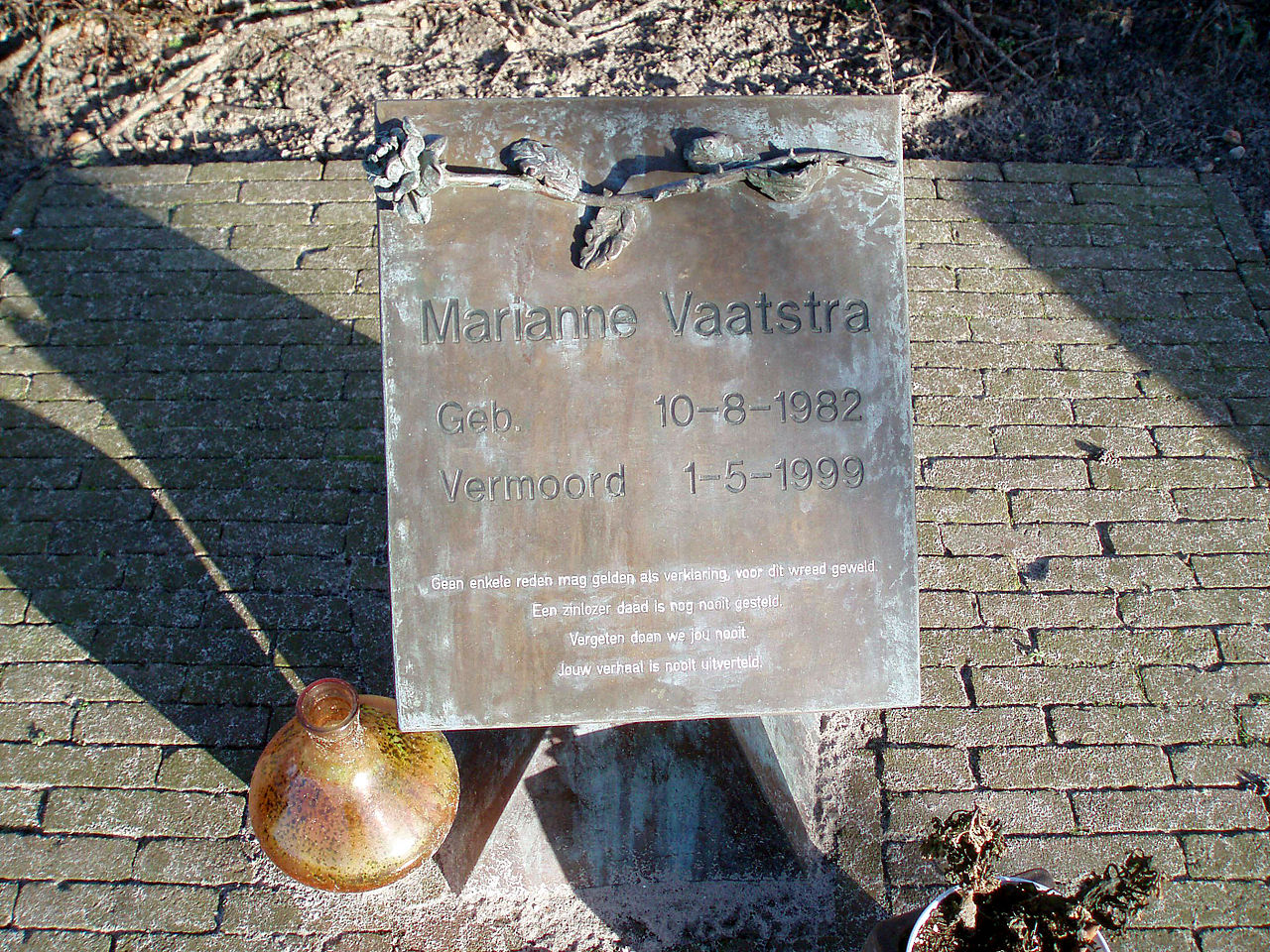
Marianne Vaatstra was born on August 10, 1982, the youngest of six children in a close-knit Frisian family. Her life in Zwaagwesteinde (now De Westereen) was typical of a teenager in a rural, agricultural community – school, part-time work at a local grocery store, and spending time with friends. There was nothing in Marianne's background to suggest the horror that awaited her. Her story is a poignant reminder of how suddenly life can be irrevocably altered, impacting not just the victim but an entire family and community. To understand the depth of this tragedy and its impact on her home village, explore
From Zwaagwesteinde to Justice: The Marianne Vaatstra Story.
On that fateful evening, Marianne had been enjoying herself at a party in Kollum. As she embarked on the familiar cycle ride home, she was attacked. Her body was discovered the following morning in a remote field near Oudwoude. The scene was horrific: signs of strangulation, a throat slashing, and massive blood loss from a sexual assault. The discovery sent shockwaves through the peaceful Frisian countryside, shattering any illusion of safety and leaving a community grappling with unimaginable grief and fear.
A Decade of Uncertainty: Misdirection and a Cold Trail
In the immediate aftermath of Marianne Vaatstra's murder, investigators faced immense pressure. Public fear was rampant, and unfortunately, a swift and intense focus fell upon the residents of an adjacent asylum seekers' center. This public suspicion, fueled by certain media narratives, quickly escalated into protests and false accusations. It was a tragic period marked by deep societal divisions and prejudice, where blame was disproportionately assigned to 'outsiders' despite a complete lack of forensic evidence linking them to the crime.
This initial misdirection proved incredibly detrimental. Valuable investigative resources were consumed pursuing leads that ultimately proved fruitless, while innocent individuals faced prolonged scrutiny and baseless accusations. The focus on external suspects, rather than a thorough, unbiased look at all possibilities, significantly hampered the investigation. Despite extensive efforts, including initial DNA analysis, no matches were found, and the case of Marianne Vaatstra slowly, agonizingly, went cold. For 13 years, her family lived in a limbo of grief and unanswered questions, a testament to the limitations of early forensic techniques and the dangers of societal bias influencing criminal investigations. The broader implications of this public bias and its influence on the investigation are further explored in
Vaatstra Murder: Public Bias, Immigration, and Forensic Reform.
Insight: The Marianne Vaatstra case serves as a stark reminder of how public sentiment and media portrayal can inadvertently steer an investigation, potentially delaying justice and causing harm to innocent individuals. Unbiased investigation, driven by facts and evidence, remains paramount.
The DNA Breakthrough: Unlocking the Mystery
As the years passed, forensic science continued to advance. By 2012, a new tool became available: advanced Y-chromosome DNA profiling. Unlike autosomal DNA, which is unique to an individual, Y-chromosome DNA is passed down almost unchanged from father to son. This makes it invaluable for tracing male lineages and identifying male perpetrators when conventional DNA databases yield no matches. Crucially, the crime scene had yielded traces of the perpetrator's blood and semen, which contained this vital Y-chromosome DNA.
Authorities, desperate to solve the cold case, took an unprecedented step. They initiated a voluntary mass DNA screening of approximately 7,000 men living in the region around the crime scene. This was a monumental undertaking, requiring extensive logistical planning and public cooperation. Men, often encouraged by their families and the shared desire for justice, willingly provided saliva samples.
The arduous process paid off. One sample provided a match: Jasper S. (born 1967), a local dairy farmer. The discovery sent shockwaves through the community once more, but this time, of a different nature. The perpetrator was not an 'outsider' but someone living and working right in their midst. This incredible breakthrough underscored the power of evolving forensic technology and the determination of law enforcement to never give up on a cold case.
Practical Tip: The use of advanced DNA techniques like Y-chromosome profiling, mitochondrial DNA, and forensic genealogy is increasingly vital in solving cold cases worldwide. For law enforcement, staying abreast of these technologies and leveraging community cooperation can be game-changers.
Justice Served: Confession, Conviction, and Closure
On November 18, 2012, Jasper S. was arrested. Faced with overwhelming DNA evidence, he confessed to the rape and murder of Marianne Vaatstra. His chilling account revealed that he had lured Marianne off her path, sexually assaulted her, and then murdered her to silence her. The confession brought a horrifying clarity to the events of that night, finally providing the answers Marianne's family had longed for over 13 years.
In April 2013, the Leeuwarden District Court convicted Jasper S. of rape and murder, sentencing him to 18 years' imprisonment. The verdict was based on the irrefutable DNA evidence, his detailed confession, and forensic reconstruction of the crime. While nothing could bring Marianne back, the conviction brought a measure of justice and, for her family, a sense of closure that had been cruelly denied for so long. The court's verdict also implicitly highlighted the investigative delays and the ultimate exoneration of the earlier immigrant suspects, underscoring the severe cost of early biases.
The Enduring Legacy of the Vaatstra Case: Forensic Reform and Societal Reflection
The murder of Marianne Vaatstra transcends the individual tragedy; it became a pivotal case in Dutch criminal justice history. It powerfully illustrated two critical points:
1.
Flaws in Early DNA Database Restrictions: The inability to link the initial DNA evidence to a perpetrator highlighted limitations in existing DNA databases and the scope of their use.
2.
Public Biases in Rural Crimes: The initial, unfounded fixation on 'outsiders' underscored a broader societal tendency to attribute rural crimes to non-local individuals, often with damaging consequences.
The Vaatstra case served as a catalyst for significant legislative reforms in the Netherlands, driving changes to expand forensic DNA retention and usage for cold cases. It demonstrated that persistent investigation, coupled with advanced scientific methods, can overcome the most entrenched mysteries. This case was one of the first in the country to be resolved mainly using advanced DNA evidence, leading to widespread debate and subsequent reforms about the use of DNA for criminal investigations.
The story of Marianne Vaatstra remains a powerful lesson for law enforcement, reminding them of the importance of unbiased investigation, the critical role of forensic science, and the immense value of persistent cold case work. For society, it stands as a sober warning against the dangers of prejudice and the profound impact of premature judgment, urging a more critical approach to information and a commitment to justice for all.
The journey to justice for Marianne Vaatstra was long and fraught with heartbreak, misdirection, and societal tensions. But ultimately, it was the microscopic precision of DNA evidence, combined with an unwavering commitment to truth, that finally brought an end to 13 years of uncertainty. The case of Marianne Vaatstra is a testament to the enduring power of forensic science and a stark reminder of the human cost when justice is delayed.